English
 Nederlands
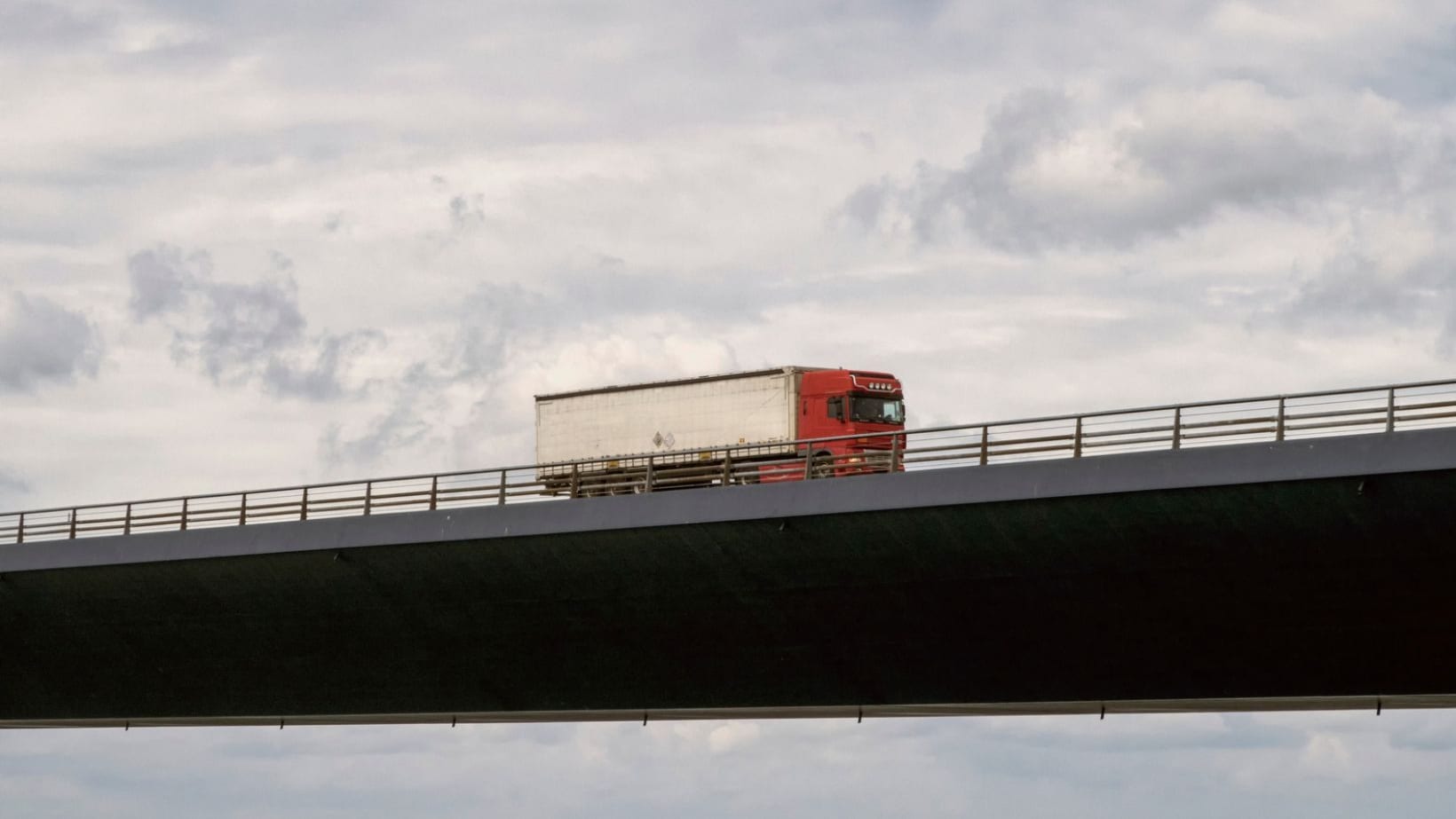
A closed bridge doesn’t cost you time because the road is shut. It costs you time because nobody finds out at the right moment: not the planner, not the driver, and certainly not the customer.
2026 showed how this played out in the real world. Several major crossings were closed or restricted within months of each other. The Province of Zeeland closed the Zeelandbrug (5+ km, around 15,000 vehicles a day) to motorised traffic from 1 September to 12 October after cracks appeared in the steel deck of its bascule section. The Papendrechtsebrug (N3) is fully closed to road traffic from 17 July 2026 to 21 April 2027 while its movable section is replaced. The Merwedebrug and Suurhoffbrug also saw closures this year.
More is coming. Rijkswaterstaat warns that the Drechtsteden region faces 8 to 10 years of disruption, with extra travel time of 30 to more than 60 minutes for longer periods. The Noordtunnel (2027–2028), Drechttunnel (2029–2030), Verkeersbrug Dordrecht and Van Brienenoordbrug are all in the pipeline. Since June 2026, trucks are already banned from the Verkeersbrug Dordrecht and must use the Drechttunnel.
The cause is structural. Rijkswaterstaat says bridges and tunnels are reaching the end of their lifespan under heavier and busier traffic than they were designed for. The Zeelandbrug itself opened in 1965.
How the delay actually builds up
A closure rarely hits a trip in one clean blow. It breaks down into a sequence of smaller events:
- The planner assumes a travel time that no longer matches the detour.
- The driver gets stuck on the alternative route, and the office doesn’t see it happening.
- The customer finds out after the fact, usually via a phone call, why the delivery is late.
Each event is small on its own. Together, they turn the operation into one that reacts instead of looking ahead.
Where it breaks down
- Static planning: travel times are calculated up front and stay fixed, even as the situation on the road changes.
- Late signalling: a planner only sees a delay once the driver reports a stop, not the moment it starts.
- Manual communication: informing customers means separate calls and emails, one by one.
This isn’t a road problem. It’s a visibility problem, and that’s where a planning system makes the difference.
How Qargo solves this
At Qargo, we see the solution as a four-step process.
1. Visibility before you plan. The Planning Board map has a live traffic layer and a truck restrictions layer – with interactive restrictions. Planners see disruption on the map before they dispatch, not once the driver is already stuck.
2. Automatic adjustment while the trip is running. With automatic ETA recalculation, Qargo uses the driver’s live GPS position to update arrival times. Updates come as often as every 5 minutes close to a stop, and up to every 2 hours on long-haul legs. If a detour over another bridge makes a driver late, all following stop times shift by the same amount. No manual correction needed. This requires activation, and GPS data from the Qargo driver app or a connected telematics system.
3. Recording delays without blocking the driver. If a stop runs long, a planner can adjust the planned departure time without closing the stop. The driver keeps their task flow (uploading the CMR, etc.), and the delay is visible on the board for the whole team.
4. Informing customers in one go. The News Feed in the Customer Portal lets you publish one update about a road closure or regional disruption. Every customer sees it the moment they log in. No more calling round individually.
Conclusion
Bridge maintenance in the Netherlands isn’t a temporary inconvenience. With 8 to 10 years of works planned in the Drechtsteden alone, it’s a structural reality. Transport companies that wait to react lose time exactly when it matters most. The ones that see a delay before it hits the plan stay in control.
Want to see how Qargo helps your planning keep up with disruptions like bridge maintenance? Book a demo.